Orthopedic surgery
Branch of surgery treating musculoskeletal conditions.

Whitman, Royal, 1857- · No restrictions
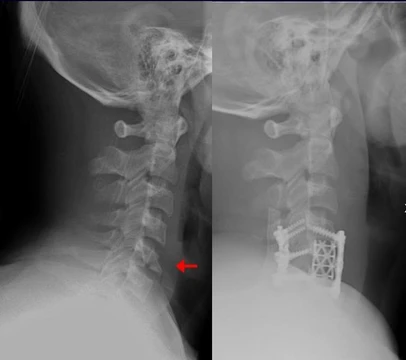
Orthopedic surgery, also spelled orthopaedics, is the branch of surgery concerned with conditions involving the musculoskeletal system. Orthopedic surgeons use both surgical and nonsurgical means to treat musculoskeletal trauma, spine diseases, sports injuries, degenerative diseases, infections, tumors, and congenital disorders. The term was coined by Nicolas Andry in French as orthopédie, derived from Ancient Greek words meaning 'correct' and 'child,' and the discipline was initially developed with attention to children, though it eventually expanded to treat spinal and bone deformities in all stages of life.
- field
- Surgery
- known_for
- Treatment of musculoskeletal conditions, including fractures, deformities, and joint replacements
- etymology
- Coined by Nicolas Andry in 1741 from Greek orthos ('correct') and paidion ('child')
Lore & Background
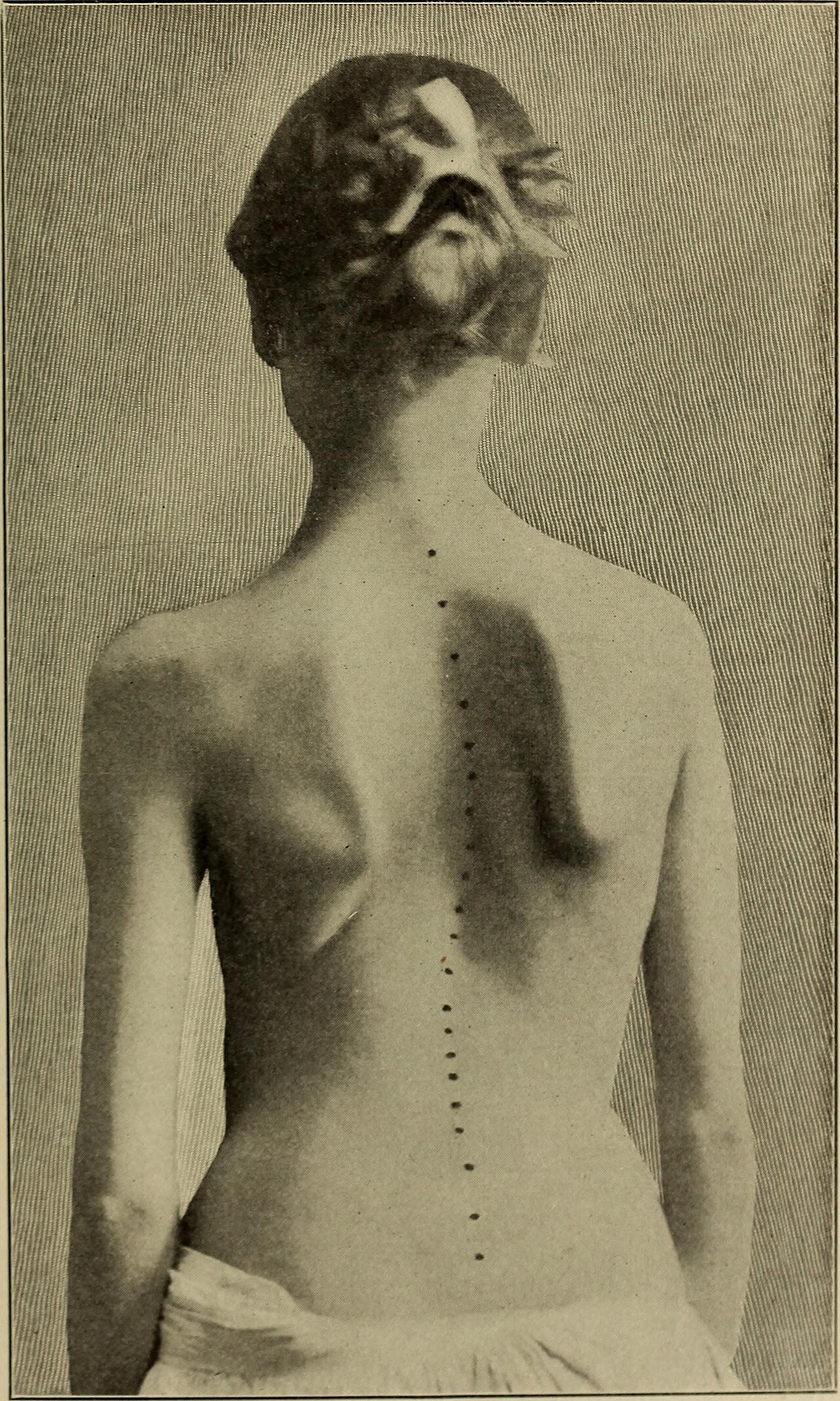
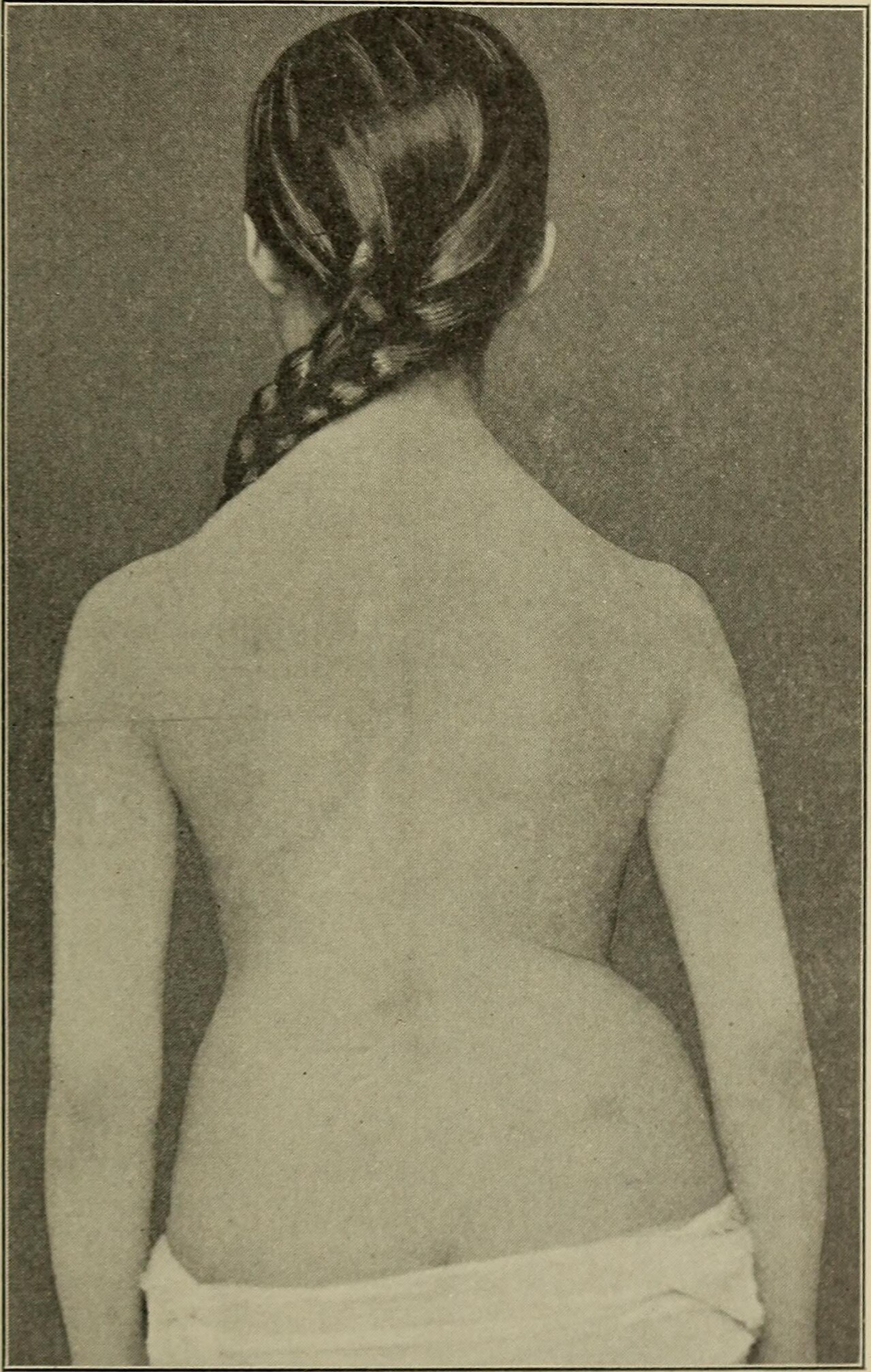
Many developments in orthopedic surgery have resulted from experiences during wartime. On the battlefields of the Middle Ages, the injured were treated with bandages soaked in horses' blood, which dried to form a stiff, if unsanitary, splint. Nicolas Andry, a professor of medicine at the University of Paris, coined the term in the first textbook written on the subject in 1741, advocating the use of exercise, manipulation, and splinting to treat deformities in children. Jean-André Venel established the first orthopedic institute in 1780, the first hospital dedicated to treating children's skeletal deformities, and developed the club-foot shoe and methods to treat curvature of the spine.
Reader's Guide
Orthopedic surgery evolved from a field focused on correcting deformities in children to a comprehensive surgical specialty. Advances in the 18th and 19th centuries, such as John Hunter's research on tendon healing, Percivall Pott's work on spinal deformity, and Antonius Mathijsen's invention of the plaster of Paris cast in 1851, expanded treatment options. In the late 1800s and early 1900s, controversy arose about whether orthopedics should include surgical procedures. The first orthopedic residency program in the United States was founded in 1887 at the Hospital for Special Surgery. Hugh Owen Thomas and his nephew Robert Jones contributed to fracture management and the establishment of the British Orthopaedic Association in 1894. The modern total hip replacement was pioneered by Sir John Charnley in the 1960s, using a stainless steel femoral component and polyethylene acetabular component fixed with bone cement. Knee replacements for osteoarthritis were developed in the 1970s. External fixation was refined during the Vietnam War, and Gavriil Ilizarov contributed the Ilizarov apparatus for healing, realignment, and lengthening.
Did You Know?
- Nicolas Andry coined the term orthopedics in 1741 from Greek words meaning 'correct' and 'child.'
- The first orthopedic institute was established by Jean-André Venel in 1780.
- Antonius Mathijsen, a Dutch military surgeon, invented the plaster of Paris cast in 1851.
- The first orthopedic residency program in the United States was founded in 1889 at the Hospital for the Ruptured and Crippled (now Hospital for Special Surgery).
The Name Behind the Specialty
The term orthopedics traces back to 1741, when Nicolas Andry, a professor of medicine at the University of Paris, published a French-language text titled Orthopedie. The word fuses two Ancient Greek roots: orthos, meaning correct or straight, and paidion, meaning child. Andry's book was written for parents rather than physicians, and while it covered topics a modern orthopedist would recognize, it also addressed oddities like excessive palm sweating and freckles. He championed exercise, manipulation, and splinting as remedies for children's deformities. The discipline's original scope was narrow—correcting skeletal issues in young patients—but it gradually expanded to address spinal and bone problems across every stage of life. The spelling has also shifted over time. The original French employed the æ ligature, which North American institutions often simplified to a plain e, though the American Academy of Orthopaedic Surgeons and many residency programs retain the ae form. In the United Kingdom, orthopaedics remains the standard spelling, while Canada accepts both variants.
From Battlefield Splints to the Plaster Cast
The earliest recorded orthopedic interventions were born not in clinics but on medieval battlefields, where wounded soldiers received bandages soaked in horse blood that hardened into crude, unsanitary splints. For centuries the field remained confined to correcting deformities in children, and the first dedicated institution—a hospital specifically for treating young patients' skeletal problems—was established by Jean-André Venel in 1780. Venel also devised the club-foot shoe and methods for addressing spinal curvature. The 18th century brought meaningful surgical advances: John Hunter investigated tendon healing, and Percivall Pott studied spinal deformity. In 1790, Robert Chessher introduced the double-inclined plane for lower-limb fractures. A transformative leap arrived in 1851 when Dutch military surgeon Antonius Mathijsen invented the plaster of Paris cast, revolutionizing how fractures were immobilized. Despite these tools, orthopedics still centered on pediatric deformity correction through the 1890s, and a heated debate raged in the late 1800s and early 1900s over whether surgical intervention belonged in the specialty at all.
The Builders of Modern Practice
The transition of orthopedics from a pediatric niche into a comprehensive surgical specialty was driven by a handful of determined figures. Hugh Owen Thomas, a Welsh surgeon, broadened the field's scope to include general fracture care and musculoskeletal problems beyond children. His name is attached to several enduring clinical tools, including a collar for cervical spine tuberculosis, a maneuver for assessing hip fractures, and a diagnostic test still in use today. His nephew, Robert Jones, made an equally profound impact. While serving as surgeon-superintendent for the Manchester Ship Canal construction in 1888, Jones managed the injuries of 20,000 workers, personally handling 3,000 cases and performing 300 operations. That role shaped the world's first comprehensive accident service and drew physicians from across the globe to study his methods. During World War I, his observations of inadequate fracture care at the front and in home hospitals prompted the creation of military orthopedic hospitals between 1916 and 1918. In 1894, Jones and Alfred Tubby co-founded the British Orthopaedic Association, cementing the specialty's institutional identity.
The Joint Replacement Revolution
The 1960s marked a watershed moment when Sir John Charnley, working in England, demonstrated that worn joint surfaces could be substituted with implants bonded to bone using poly(methyl methacrylate) acrylic cement. His design paired a stainless steel one-piece femoral stem and head with a polyethylene acetabular component. Known as the Charnley low-friction arthroplasty, this system and its derivative designs dominated global practice for more than two decades and remain the conceptual foundation of every modern hip implant. Around the same period, the Exeter hip replacement system emerged with a slightly different stem geometry, adding another option to the growing toolkit. The momentum carried into the 1970s, when knee replacements for osteoarthritis were developed using both fixed and mobile bearing systems, and a total condylar knee replacement was produced in 1974. The institutional infrastructure supporting these advances had roots going back to 1887, when the Hospital for Special Surgery in the United States launched the nation's first orthopedic residency program, establishing the one-year assistant positions that gave rise to the term resident.
Gallery


Frequently Asked Questions
Who is Orthopedic surgery?
Orthopedic surgery is the surgical specialty focused on the bones, joints, ligaments, tendons, and muscles of the body. It covers conditions ranging from simple fractures to complex joint replacements and spinal disorders.
What are Orthopedic surgery's powers/role?
Its toolkit spans both the operating room and conservative care, addressing sports injuries, degenerative joint disease, infections, tumors, and congenital deformities. Surgeons in this field perform procedures like total joint arthroplasty, spinal fusion, and fracture reconstruction.
Where does Orthopedic surgery come from?
The name traces back to 1741, when Nicolas Andry blended the Greek roots orthos ('correct') and paidion ('child') into the French word orthopédie. The discipline originally centered on correcting deformities in young patients before broadening to serve all age groups.
Why is Orthopedic surgery important?
It restores movement, reduces chronic pain, and rebuilds structural integrity in people whose musculoskeletal systems have been compromised by trauma, aging, or disease. Without this field, severe arthritis, spinal malformations, and complex fractures would remain far less treatable.
How does Orthopedic surgery's story end?
As a living specialty, its narrative is still being written, with robotics, 3D-printed implants, and regenerative therapies continually pushing the boundaries of repair. The field keeps expanding well beyond its original child-focused roots into a comprehensive practice for every stage of life.
More in Musculoskeletal System And Orthopedics 1-17
Spotted an error? Know more?
This is a living reference — every entry is fact-audited, and reader corrections feed straight into our audit queue. Suggest an edit · See this site's audit record