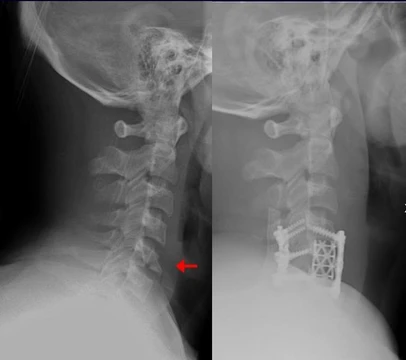
Sciatica
Pain along the sciatic nerve, often from disc herniation.

Wikimedia Commons · CC BY 4.0
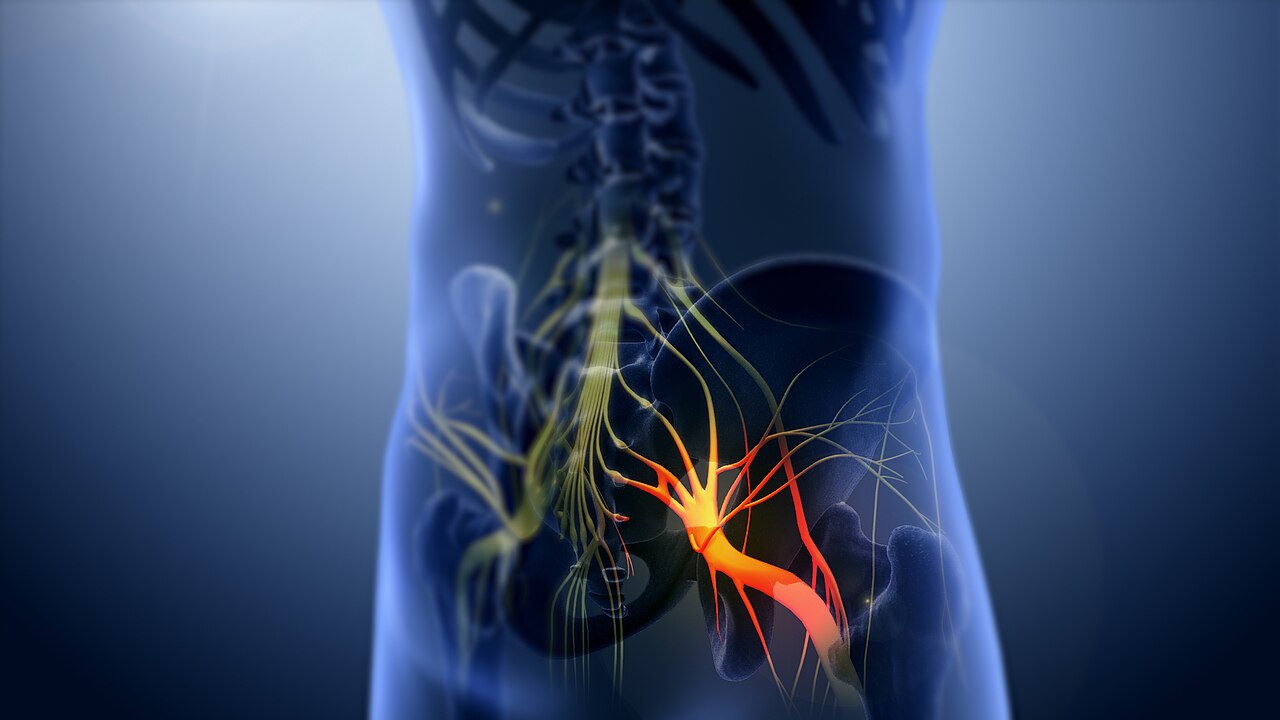
Sciatica is a symptom characterized by pain radiating along the sciatic nerve pathway from the lower back down the leg, often described as shooting or shock-like. It is most commonly caused by a spinal disc herniation pressing on lumbar or sacral nerve roots, and it typically resolves within six weeks in about 90% of cases.
- definition
- Symptom of pain along the sciatic nerve, not a specific disease
- most common cause
- Spinal disc herniation (about 90% of cases)
- typical age range
- Most common between ages 40 and 59
- gender prevalence
- Men more frequently affected than women
- resolution rate
- About 90% of cases resolve in less than six weeks
Lore & Background
The condition is most frequently caused by a spinal disc herniation, which presses on lumbar or sacral nerve roots, and is particularly common in people under age 50. Other causes include spinal stenosis, spondylolisthesis, piriformis syndrome, pelvic tumors, and pregnancy.
Reader's Guide
Sciatica is significant as a common symptom affecting less than 1% to 40% of people at some point, with men affected more often than women. Its diagnosis often relies on the straight-leg-raising test, and medical imaging is typically unnecessary unless complications like bowel or bladder dysfunction occur. Initial treatment focuses on pain medications and maintaining normal activity, though evidence for many treatments is limited. Surgery may be considered for severe cases lasting over six weeks, but its long-term benefits remain unclear. The condition's historical recognition and varied causes underscore its complexity as a symptom rather than a single disease.
Did You Know?
- About 90% of sciatica cases are due to a spinal disc herniation pressing on nerve roots.
- The straight-leg-raising test is positive if pain shoots below the knee when the leg is raised while lying on the back.
- Sciatica is most common between ages 40 and 59, and men are more frequently affected than women.
A Symptom, Not a Disease
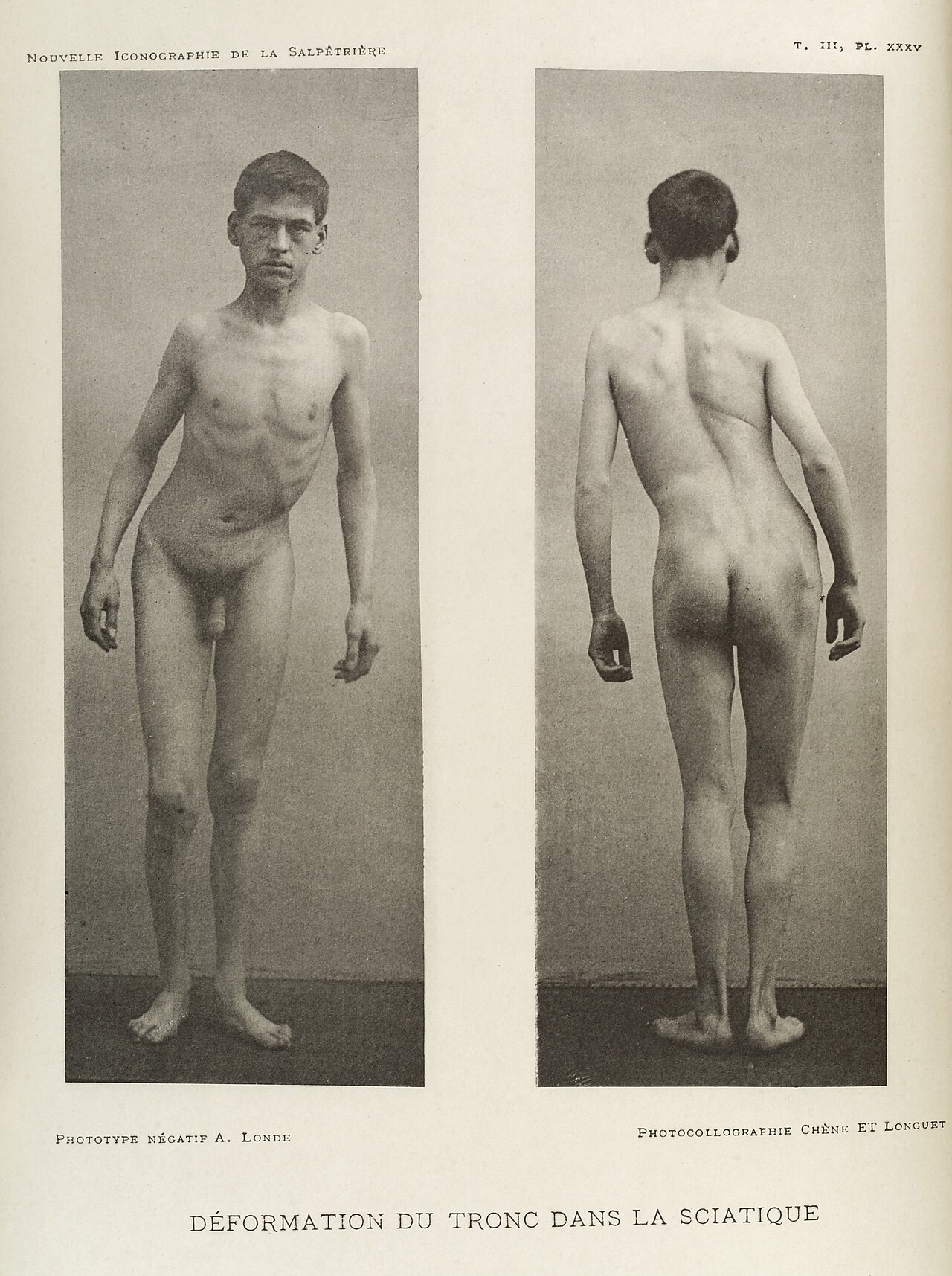
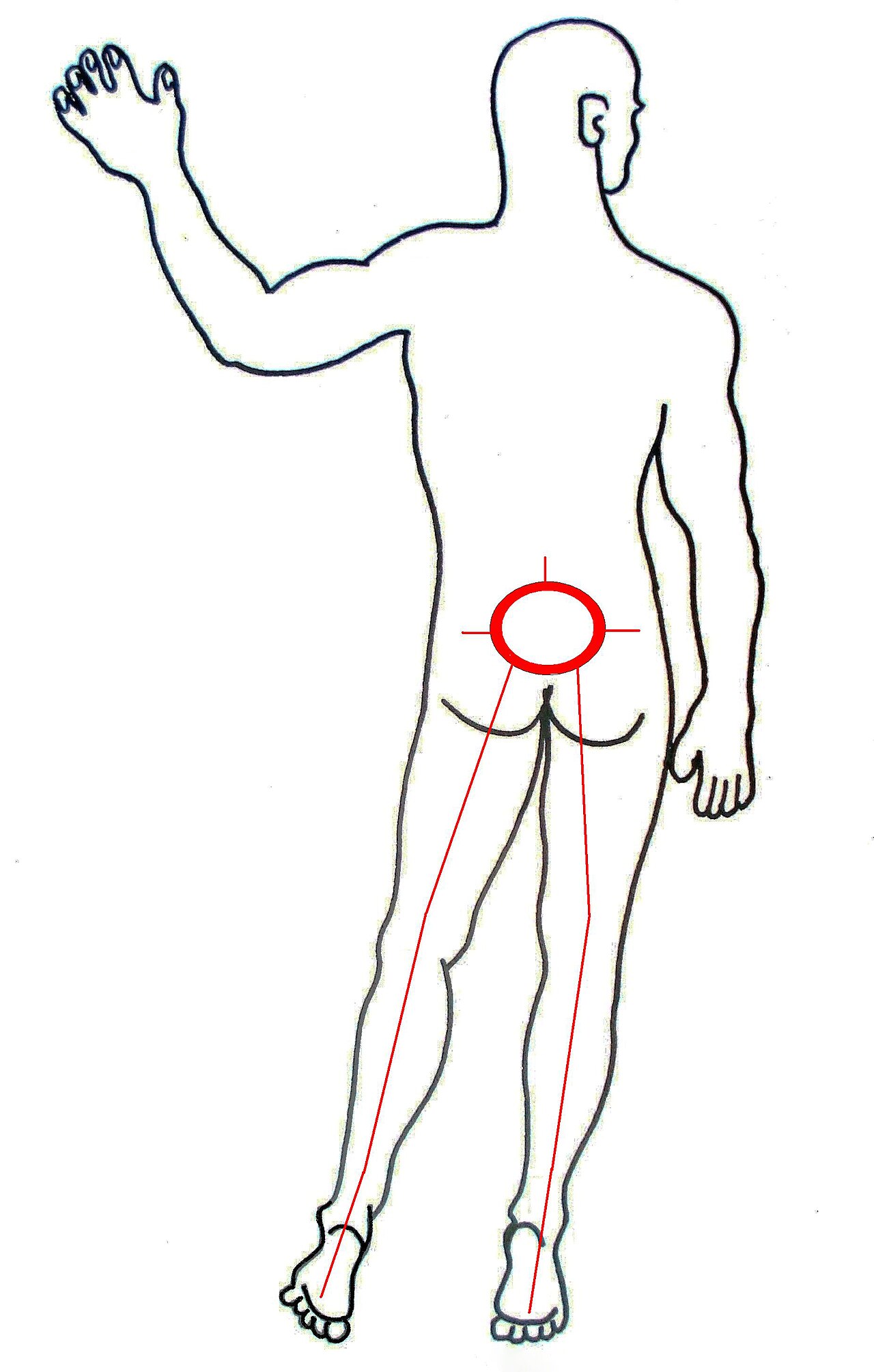
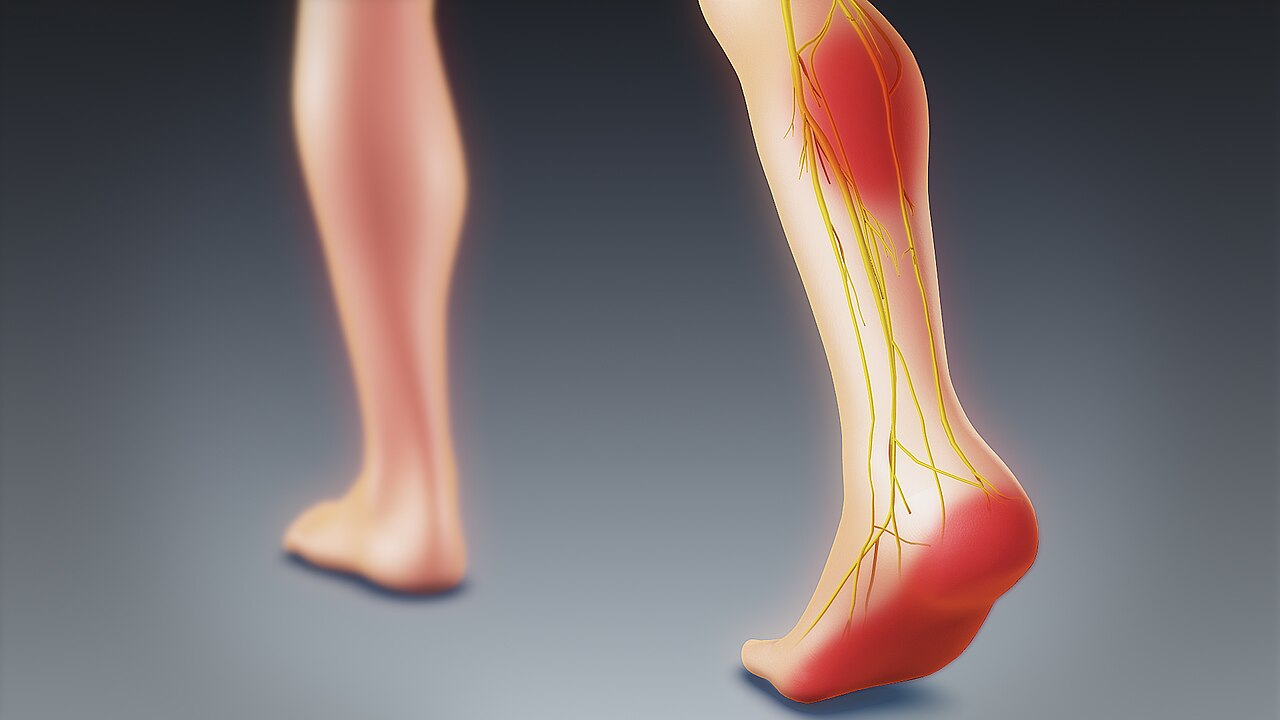
Sciatica is best understood not as a single illness but as a descriptive label for a particular pattern of pain that travels along the sciatic nerve pathway. The discomfort typically begins in the lower back and radiates downward, sometimes reaching the back, outer, or front of the leg, and in many cases extending below the knee all the way to the foot. Patients commonly describe the sensation as a sharp, shooting, or shock-like jolt that races quickly along the course of the affected nerves. The onset can be abrupt—often triggered by an act of heavy lifting—or it may creep in gradually over time. In the majority of cases the pain is confined to one side of the body, though certain underlying causes can produce bilateral symptoms. Accompanying neurological signs such as weakness or numbness in various regions of the leg and foot are not uncommon, and a degree of lower back ache may coexist. Because the term can be used both as a symptom descriptor and as a working diagnosis pointing to nerve-root compression, clinicians must look beyond the label to identify what is actually pressing on the nerves.
What's Pressing the Nerve
In roughly nine out of ten cases, the culprit behind sciatica is a herniated spinal disc impinging on a lumbar or sacral nerve root, a mechanism especially prevalent in people under fifty. The herniation most frequently occurs during heavy lifting, and the resulting pain tends to worsen with forward bending or prolonged sitting while easing when the person lies down or walks. Beyond disc problems, lumbar spinal stenosis—narrowing of the spinal canal caused by bone spurs, spondylolisthesis, inflammation, or a bulging disc—becomes the leading compressive cause after age fifty, with symptoms often provoked by standing or walking for long stretches and relieved by bending forward or resting. Piriformis syndrome, sometimes nicknamed "wallet sciatica," accounts for a smaller share of cases; in about seventeen percent of individuals the sciatic nerve threads through the piriformis muscle rather than passing beneath it, so a spasm can compress the nerve. The broader concept of deep gluteal syndrome now encompasses many distinct fibrous bands and structural anomalies in that region, with piriformis syndrome regarded as just one subtype. Other recognized causes include pelvic tumors, pregnancy, spondylolisthesis, and sciatic endometriosis, also called catamenial or cyclical sciatica.
Diagnosing and Treating the Pain
Diagnosing sciatica often relies on a simple bedside maneuver rather than advanced imaging. The straight-leg-raising test, in which the patient lies on their back while a clinician lifts the leg, is considered positive when pain shoots below the knee. In most instances no imaging is required, but scans may be warranted if bowel or bladder function is compromised, significant sensory loss or weakness is present, symptoms have persisted long, or there is suspicion of tumor or infection. Hip pathology and early shingles—before the rash appears—can mimic sciatica and must be excluded. Treatment typically begins with pain medications, yet evidence supporting both analgesics and muscle relaxants remains thin. The prevailing advice is to keep moving within one's tolerance rather than resting in bed. Encouragingly, about ninety percent of episodes resolve on their own within six weeks. When severe pain outlasts that window, surgery may be considered; it often accelerates relief, though its long-term advantage over conservative care is unclear. Surgery becomes urgent if complications such as loss of bowel or bladder control develop. A wide array of adjunctive therapies—corticosteroids, gabapentin, pregabalin, acupuncture, heat or ice, and spinal manipulation—carry only limited or poor evidence of benefit.
Who Gets It and How Long We've Known
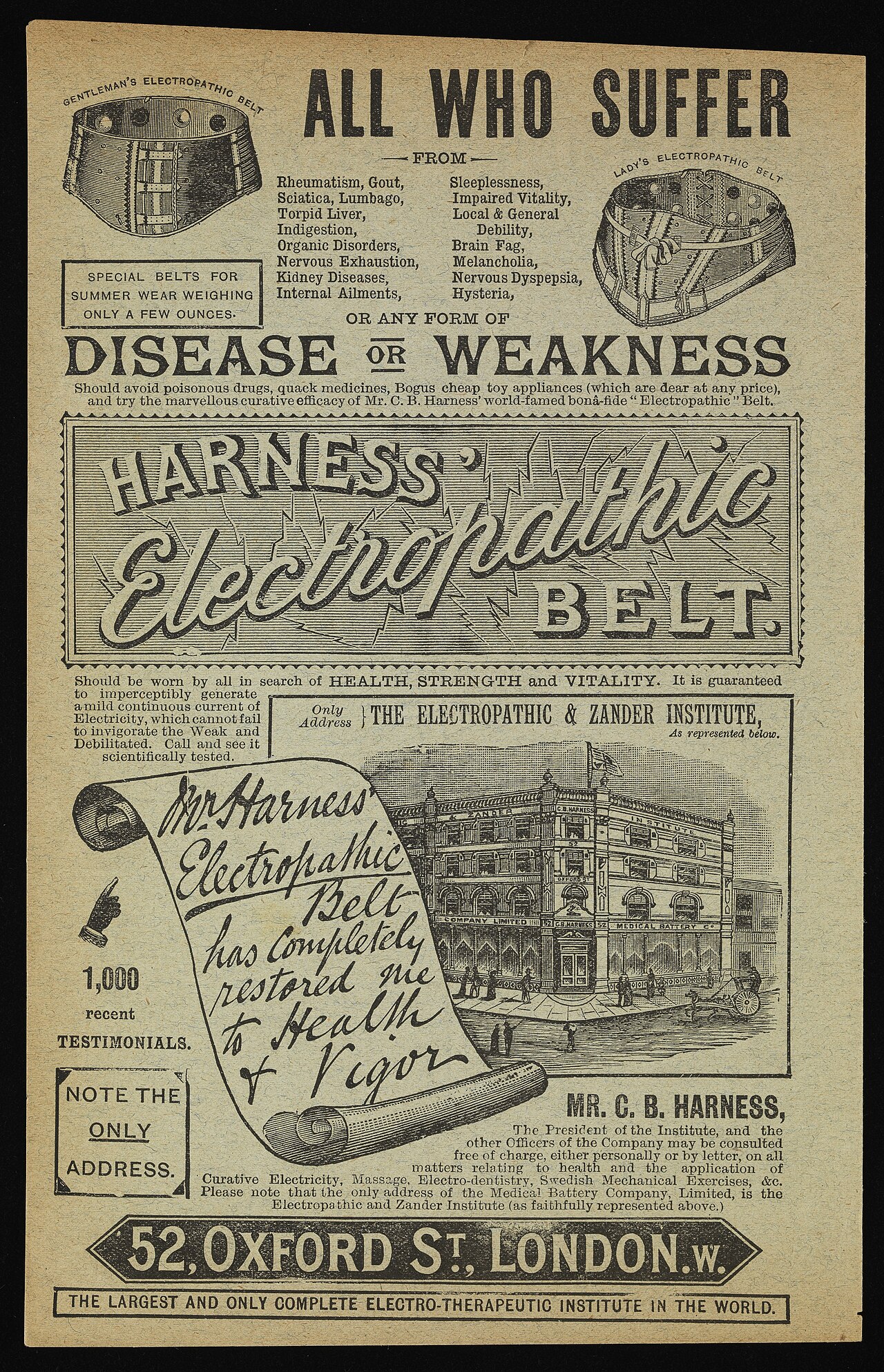
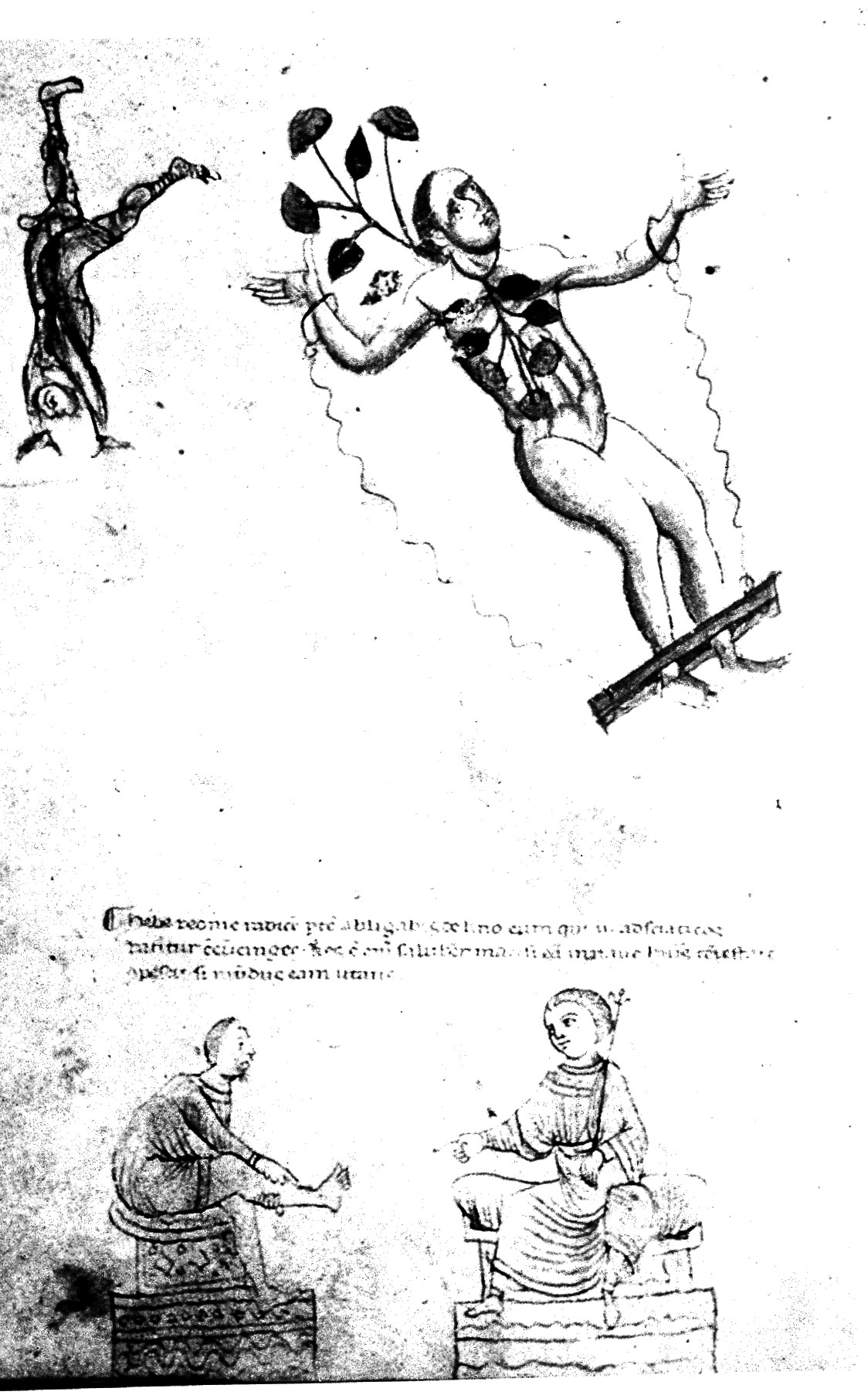
The prevalence of sciatica is surprisingly wide-ranging: depending on how the condition is defined, anywhere from fewer than one percent to as many as forty percent of people will experience it at some point in their lives. It strikes most frequently between the ages of forty and fifty-nine, and men are affected more often than women. Among modifiable risk factors, smoking, obesity, physically demanding occupations, and sports involving heavy weights and intense back-muscle work all raise the likelihood of developing the condition. Non-modifiable factors include simply getting older, being male, and carrying a personal history of low back pain. The recognition of this particular nerve pain stretches back to antiquity. The Greek physician Dioscorides, writing in the first century CE, described symptoms consistent with sciatica in his Materia Medica. The word "sciatica" itself entered modern medical vocabulary in 1451, making the term nearly six centuries old. Despite its long history and the vast number of people it touches, the gap between what is known about its causes and what is proven to treat it effectively remains a subject of ongoing debate.
Gallery
Frequently Asked Questions
Who is Sciatica?
Sciatica is not a standalone disease but rather a symptom label for pain that travels along the sciatic nerve pathway, starting in the lower back and radiating down into one leg.
What is Sciatica's primary origin in the canon?
In roughly 90% of documented cases, the pain is triggered by a herniated spinal disc compressing one of the lumbar or sacral nerve roots.
Who does Sciatica most commonly target?
The symptom peaks in prevalence among adults aged 40 to 59, and epidemiological data show men are affected more often than women.
How does Sciatica's story typically end?
The good news for most 'readers' of the condition is that about 90% of episodes resolve on their own within six weeks without surgical intervention.
What does Sciatica's signature 'attack' feel like?
Those experiencing the symptom usually describe a sharp, shooting, or electric-shock-like sensation that follows the nerve from the lower back all the way down the leg.
More in Musculoskeletal System And Orthopedics 1-17
Spotted an error? Know more?
This is a living reference — every entry is fact-audited, and reader corrections feed straight into our audit queue. Suggest an edit · See this site's audit record