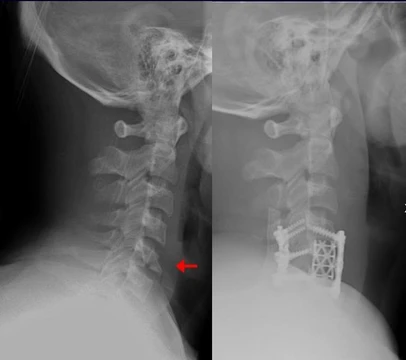
Osteoarthritis
Degenerative joint disease causing pain and disability worldwide.

InjuryMap · CC BY-SA 4.0
Osteoarthritis is a degenerative joint disease resulting from the breakdown of joint cartilage and underlying bone.
- type
- Degenerative joint disease
- leading_cause_of_disability
- A major cause of disability worldwide, though its exact ranking varies by source
- common_joints_affected
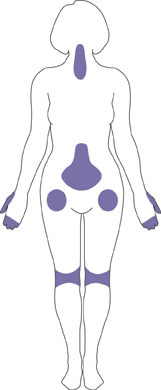
- Fingers, thumbs, knees, hips, neck, lower back
- primary_symptoms
- Joint pain, stiffness, swelling, decreased range of motion
- risk_factors
- Obesity, joint injury, abnormal joint development, inherited factors, occupational joint stress
Lore & Background
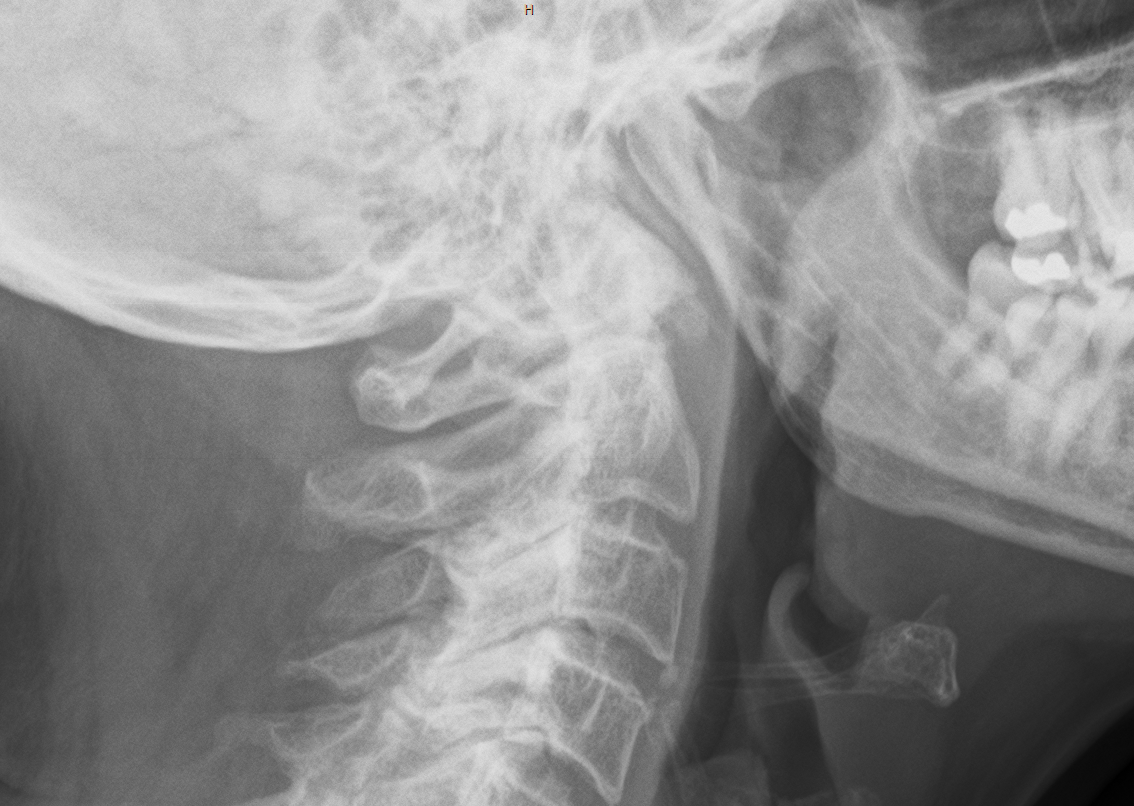
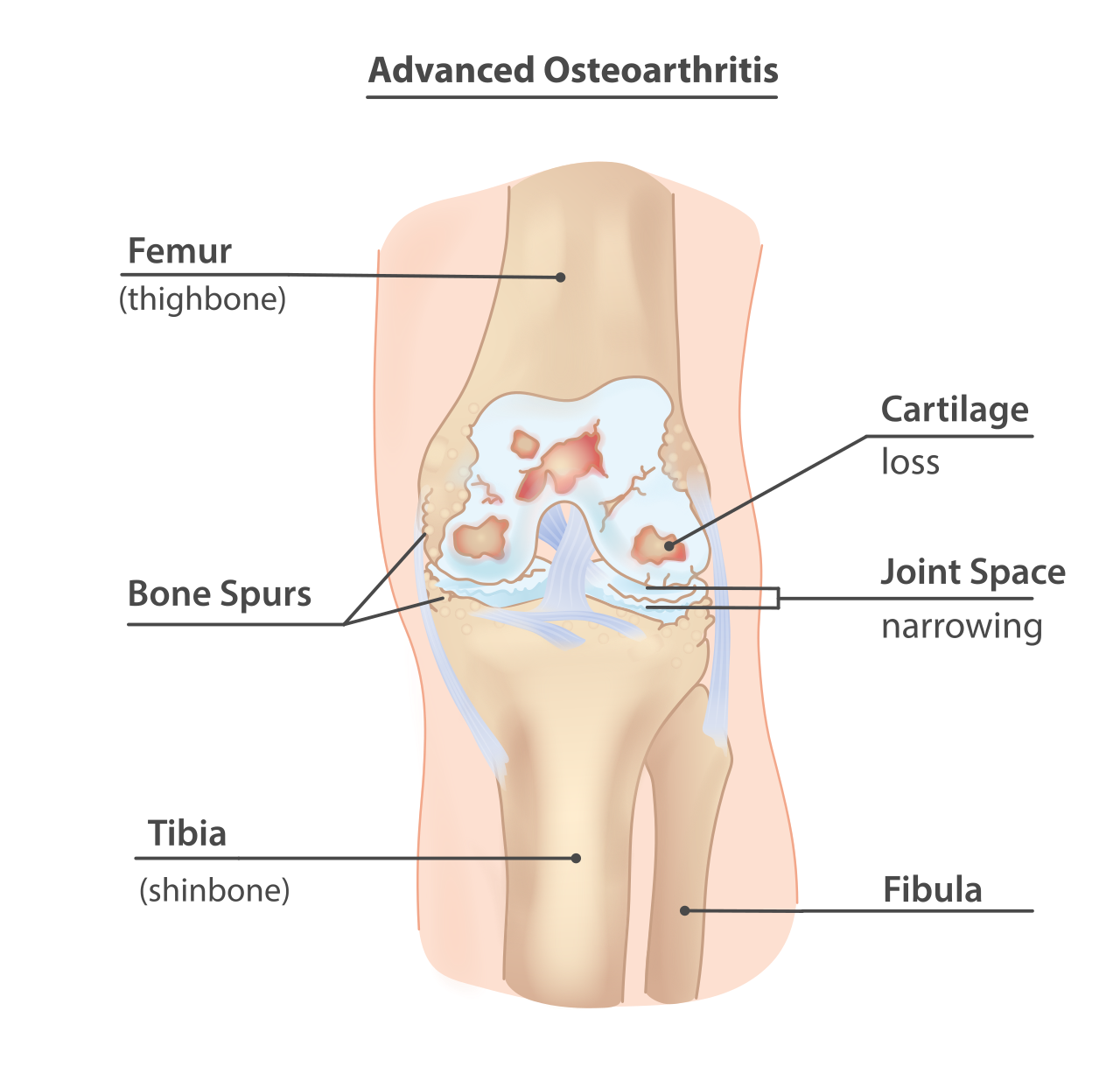
Osteoarthritis develops as mechanical stress and low-grade inflammatory processes lead to loss of cartilage and changes in underlying bone. The water content of cartilage increases due to disorganization of collagen fibers and decreased proteoglycan content. Ligaments thicken, menisci may wear away, and new bone outgrowths called osteophytes can form. Pain is typically worsened by activity and relieved by rest, with morning stiffness lasting less than thirty minutes. Affected joints may produce a crackling noise (crepitus) and can feel unstable or lock.
Reader's Guide
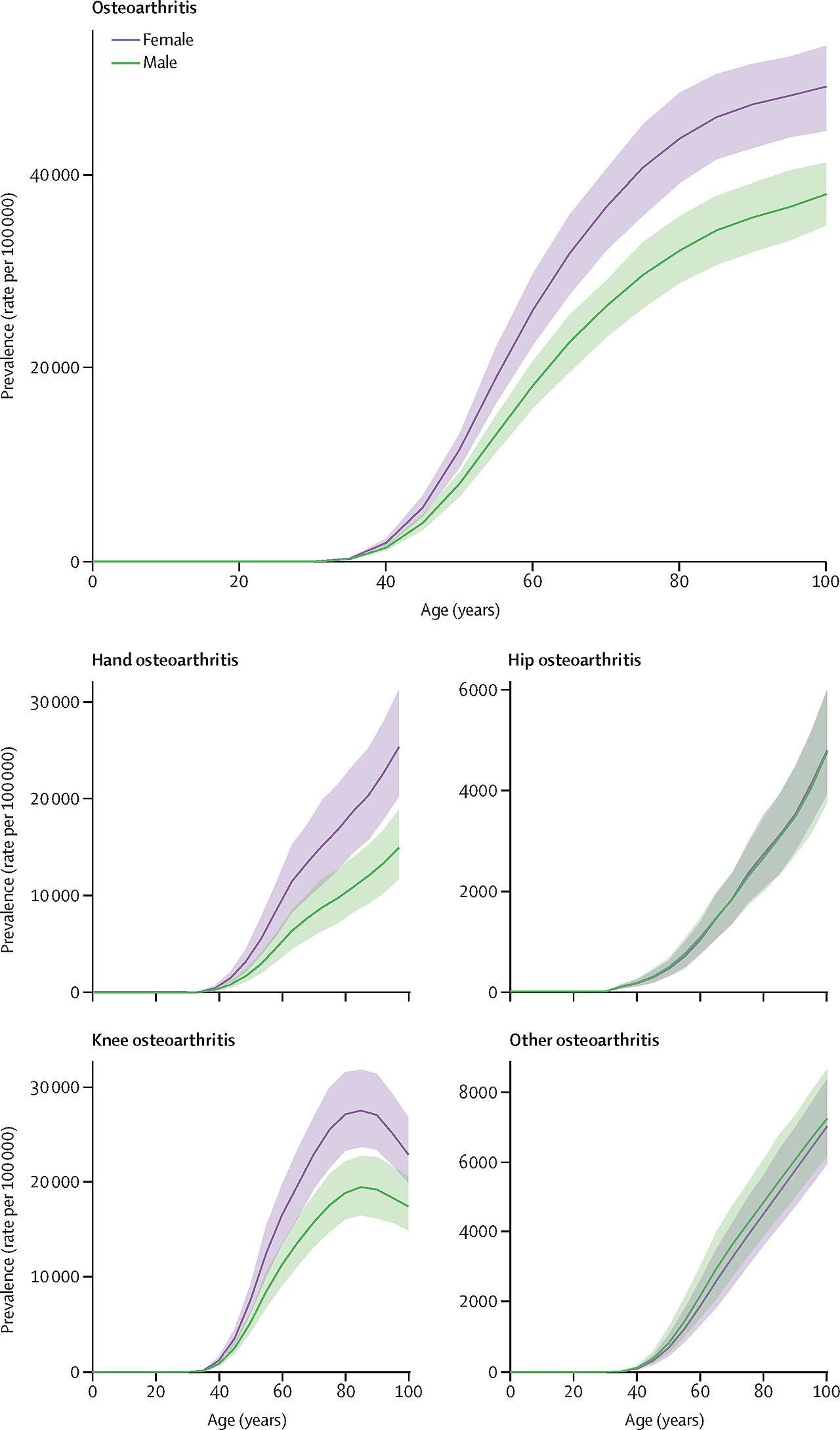
Osteoarthritis is the most common form of arthritis, affecting about 3.3% of the global population. It becomes more common with age, affecting about 10% of males and 18% of females over 60. It is the cause of about 2% of years lived with disability. Those with hip or knee osteoarthritis have a 20% increased risk of mortality, possibly due to reduced activity. Treatment includes exercise, joint stress reduction, weight loss, pain medications such as paracetamol or NSAIDs, and joint replacement surgery for ongoing disability. More than 90% of hip and knee replacements are due to osteoarthritis, and artificial joints typically last over 20 years. Long-term opioid use is not recommended due to risks of addiction and lack of benefit evidence.
Did You Know?
- Osteoarthritis is a major cause of disability worldwide, though its exact ranking varies by source.
- Approximately 80-85% of hip and knee joint replacements are due to osteoarthritis.
- Osteoarthritis of the hips or knees is associated with a variable increased risk of mortality, with studies showing increases ranging from 10% to 25%.
- While less common than in rheumatoid arthritis, osteoarthritic joints can sometimes exhibit mild warmth and redness due to secondary inflammation or synovitis.
Global Prevalence and Human Cost
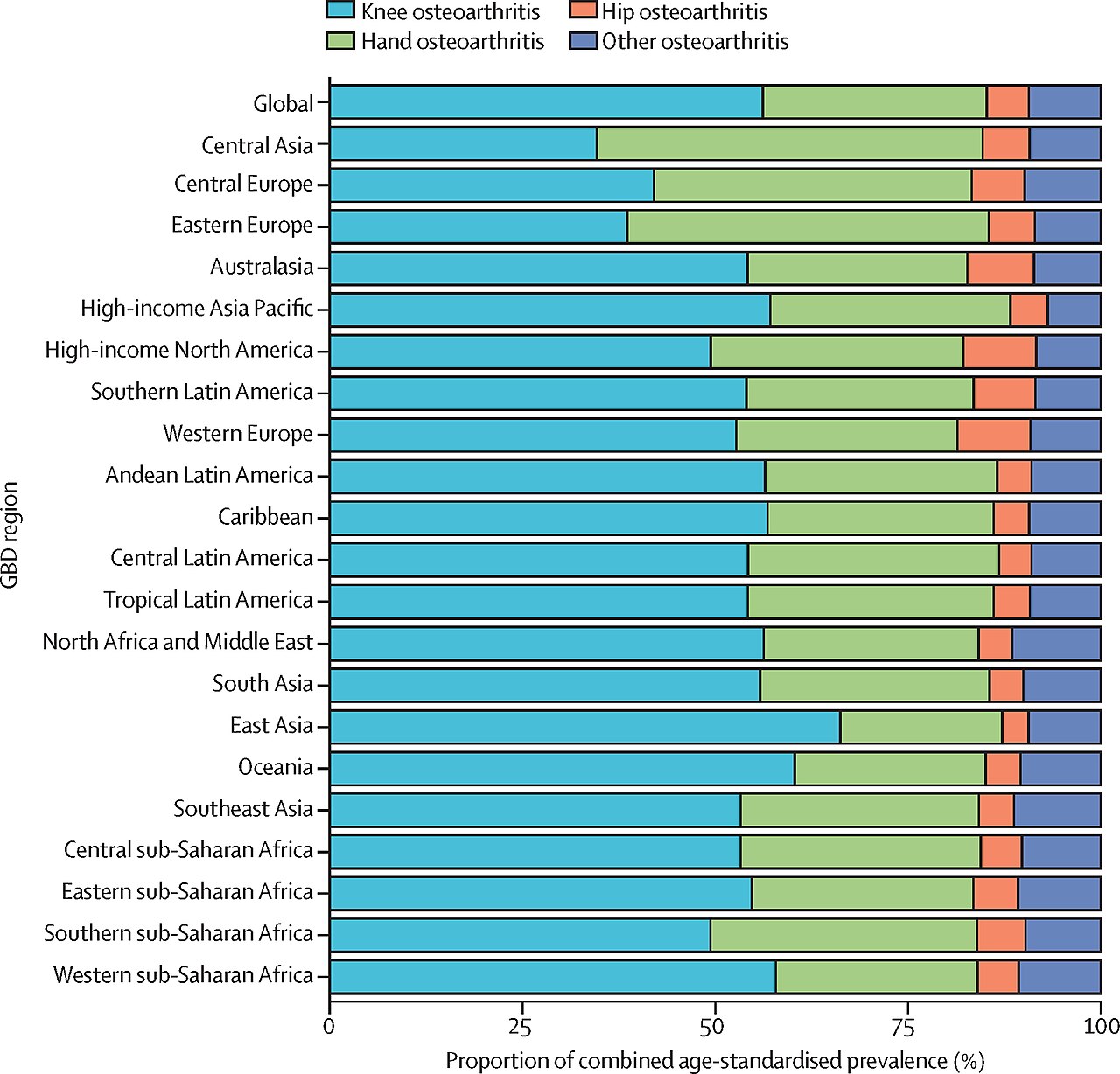
Osteoarthritis stands as the most prevalent form of arthritis across the globe, with roughly 237 million individuals—approximately 3.3 percent of the world's population—living with the condition as of 2015. It is widely regarded as the fourth leading cause of disability worldwide, with an estimated 240 million people experiencing activity-limiting symptoms. The condition accounts for about 2 percent of all years lived with disability. Its reach deepens with age: among people over sixty, roughly 10 percent of men and 18 percent of women are affected. The burden extends beyond the joints themselves; those with hip or knee osteoarthritis face a 20 percent increased risk of mortality, likely tied to the reduced physical activity that accompanies chronic joint pain. Unlike many other arthritic conditions, osteoarthritis spares internal organs, confining its damage to the cartilage and underlying bone of the joints. The condition's slow, progressive nature means that what begins as mild discomfort can, over years, steadily erode a person's capacity to work, move, and participate in everyday life.
Symptoms and the Erosion of Daily Life
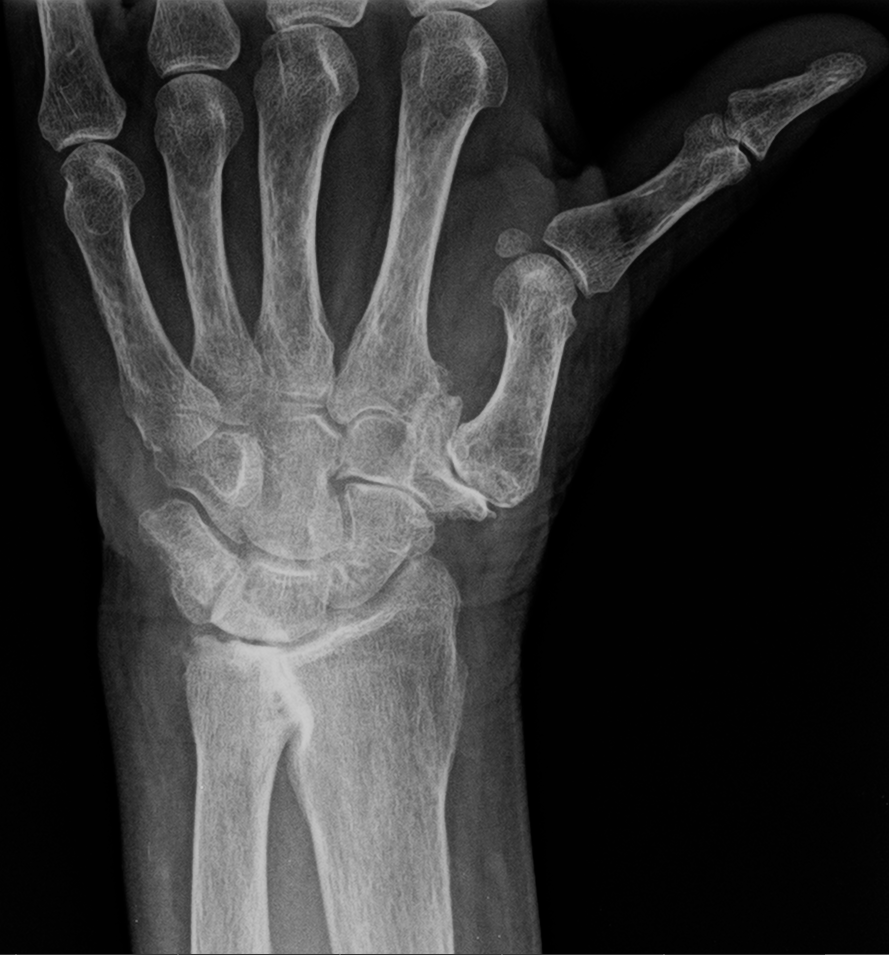
The hallmark of osteoarthritis is a slow, grinding pain that worsens with sustained activity and eases with rest. Morning stiffness is a familiar companion, typically lasting under thirty minutes once a person begins moving, though it can resurface after long stretches of sitting. The condition often produces a crackling sensation—known as crepitus—when the affected joint shifts, particularly in the shoulder and knee. As the disease advances, movement patterns such as gait become noticeably altered, and individuals may report episodes of joint locking or a sense of instability. In the smaller joints of the fingers, hard bony enlargements called Heberden's nodes at the distal interphalangeal joints or Bouchard's nodes at the proximal interphalangeal joints can develop; while not always painful, they markedly restrict finger mobility. Toe involvement may contribute to bunion formation. Pain when climbing or descending stairs, or when getting in and out of a car or bathtub, points specifically to patellofemoral joint involvement. Some patients notice heightened sensitivity to cold weather, high humidity, or shifts in barometric pressure, though research on these environmental triggers remains inconclusive. The cumulative effect is a steady narrowing of what daily life feels like.
Causes, Risk Factors, and What Does Not Cause It
Osteoarthritis is understood to arise primarily from mechanical stress on a joint that outpaces the tissue's capacity for self-repair. Contributing sources of that stress are varied: congenital or acquired misalignments of bones, prior mechanical injury, excess body weight, weakening of the muscles that brace a joint, and peripheral nerve impairment that produces uncoordinated movements. Aging, a personal history of joint trauma, and a family predisposition all elevate risk. Obesity is a particularly strong correlate—hip and knee osteoarthritis is roughly twice as common in individuals carrying excess weight. Hormonal shifts appear to matter as well: the condition is more prevalent among post-menopausal women than among men of the same age, and women tend to exhibit more severe symptoms and imaging findings in the hip and knee. Occupational exposure also plays a role. Manual handling, heavy lifting, prolonged standing, kneeling or squatting, and work performed in bent or twisted postures have all been linked to increased risk. Notably, regular exercise—including running without prior injury—has not been shown to raise the risk, nor has the common habit of cracking one's knuckles.
Treatment Pathways and the Role of Surgery
Managing osteoarthritis is largely a matter of reducing mechanical load and controlling pain while preserving function. First-line strategies include regular exercise, rest, and the use of assistive devices such as canes to offload stressed joints. For those who are overweight, weight reduction can meaningfully lessen the mechanical burden on weight-bearing joints. Pharmacological options center on paracetamol (acetaminophen) and nonsteroidal anti-inflammatory drugs like naproxen or ibuprofen. Long-term opioid therapy is explicitly discouraged because of insufficient evidence of benefit alongside well-documented risks of addiction and other adverse effects. Support groups also form part of the broader management picture. When conservative measures fail to curb ongoing disability, joint replacement surgery becomes a viable path. In fact, more than 90 percent of hip and knee replacements are performed for osteoarthritis, and a well-placed artificial hip or knee typically remains functional for over twenty years. Diagnosis itself relies on clinical signs and symptoms, with imaging and laboratory tests serving to confirm the picture or exclude other conditions; unlike rheumatoid arthritis, the affected joints in osteoarthritis do not become hot or red.
Gallery
Frequently Asked Questions
Who is Osteoarthritis in the canon?
Osteoarthritis is a degenerative joint disease in which the cartilage cushioning the ends of bones gradually wears away, and the underlying bone itself begins to break down over time.
What are Osteoarthritis's signature abilities?
Its hallmark effects on a joint include persistent pain, morning stiffness, visible swelling, and a noticeable loss of range of motion as the condition progresses.
Which 'locations' does Osteoarthritis most frequently target?
The joints it most commonly attacks are the fingers, thumbs, knees, hips, cervical spine (neck), and lumbar spine (lower back).
What backstory traits make a character susceptible to Osteoarthritis?
Key risk factors in its origin story include obesity, prior joint injury, congenital or developmental joint abnormalities, inherited predisposition, and repetitive occupational stress on the joints.
Why is Osteoarthritis considered a major antagonist in the overall narrative?
It is recognized as one of the leading causes of physical disability worldwide, significantly limiting mobility and quality of life for millions of people across all age groups.
More in Musculoskeletal System And Orthopedics 1-17
Spotted an error? Know more?
This is a living reference — every entry is fact-audited, and reader corrections feed straight into our audit queue. Suggest an edit · See this site's audit record