Osteoporosis
A systemic skeletal disorder increasing fracture risk, common in the elderly.

https://www.myupchar.com/en · CC BY-SA 4.0
Osteoporosis is a systemic skeletal disorder characterized by low bone mass and micro-architectural deterioration of bone tissue, leading to porous bone and increased fracture risk. It is the most common reason for a broken bone among the elderly, often remaining asymptomatic until a fracture occurs.
- field
- Medicine (Orthopedics, Endocrinology)
- known_for
- Systemic skeletal disorder causing porous bones and fragility fractures
- affected_population
- 15% of Caucasians in their 50s, 70% of those over 80
- gender_prevalence
- More common in women than men
- diagnostic_threshold
- Bone density 2.5 standard deviations below young adult (measured by DXA scan)
Lore & Background
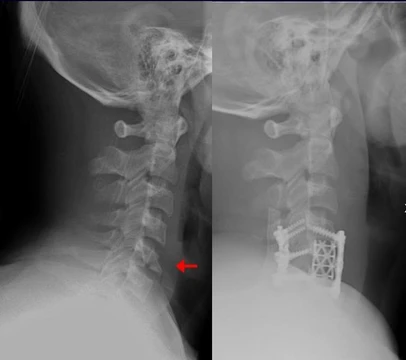
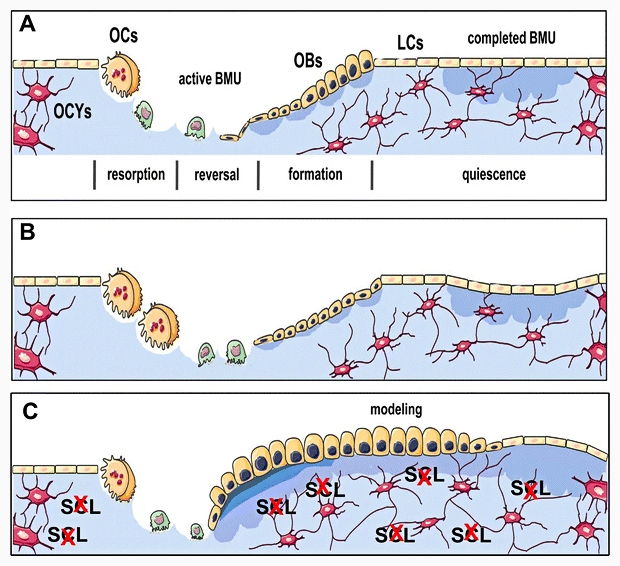
Osteoporosis involves continuous bone remodeling, where osteoclasts resorb old bone and osteoblasts synthesize new bone. With advancing age, resorption exceeds formation, causing bone density loss. The term comes from Greek for 'porous bones.' Fractures commonly occur in the vertebrae, forearm, wrist, and hip, often from minor stress or spontaneously. After healing, chronic pain and decreased ability to carry out normal activities may persist.
Reader's Guide
Osteoporosis is a major public health concern due to its high prevalence in aging populations and its role in fragility fractures, which can lead to disability, chronic pain, and increased mortality. The condition is defined by bone density measurements and is influenced by factors such as age, sex, hormonal changes, and lifestyle. Prevention includes proper diet, exercise, fall prevention, and avoiding smoking and excessive alcohol. Bisphosphonate medications reduce fracture risk in those with prior fractures but are less effective in those without. The disease disproportionately affects women, especially after menopause, and is more common in White and Asian populations. Its impact on quality of life and healthcare costs underscores the importance of early detection and management.
Did You Know?
- Osteoporosis has no symptoms until a bone breaks.
- Hip fracture from osteoporosis has a one-year mortality rate of 23.3% in Europe, 17.9% in Asia, 21% in the US, and 24.9% in Australia.
- High caffeine intake is considered a modest risk factor for osteoporosis.
- White and Asian people are at greater risk for low bone mineral density primarily due to lower peak bone mass, genetic factors, and bone structure differences, not solely lower serum vitamin D levels.
The Silent Remodeling Failure
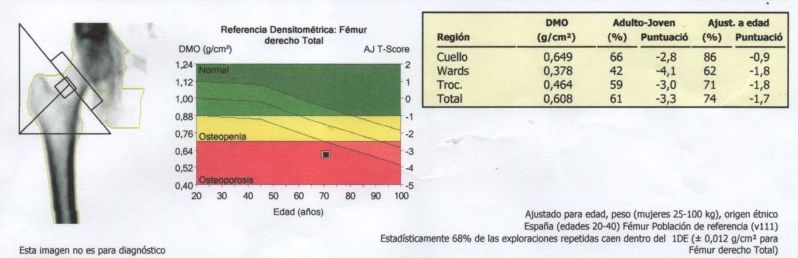
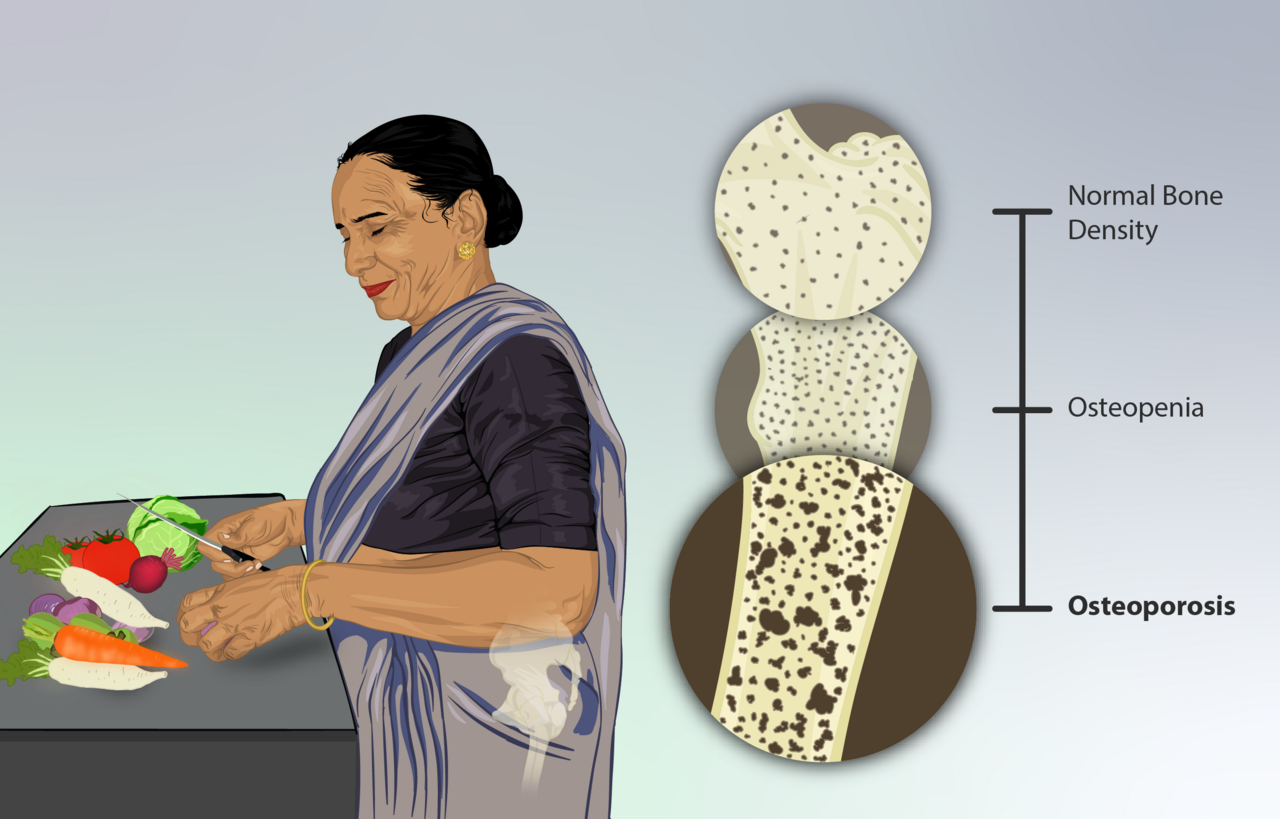
Osteoporosis is a systemic skeletal condition in which bones lose density and develop a more porous internal architecture, ultimately raising the likelihood of fracture. The name itself derives from ancient Greek words meaning "porous bones," a fitting description of what happens at the tissue level. Healthy bone is never static; it exists in a constant cycle where osteoclast cells break down old material while osteoblast cells build new bone. As a person ages, this balance tips: resorption outpaces formation, and the skeleton gradually thins and weakens. The condition is formally defined when bone density falls 2.5 standard deviations below that of a healthy young adult, a measurement typically obtained through a DXA or DEXA scan. Crucially, the disease produces no warning symptoms. A person can carry significantly weakened bones for years without feeling anything unusual, and the first sign is often a fracture that occurs under circumstances a healthy skeleton would easily withstand. This silent progression is what makes osteoporosis both insidious and, in many ways, a preventable crisis waiting to happen.
Fragility Fractures: The Defining Crisis
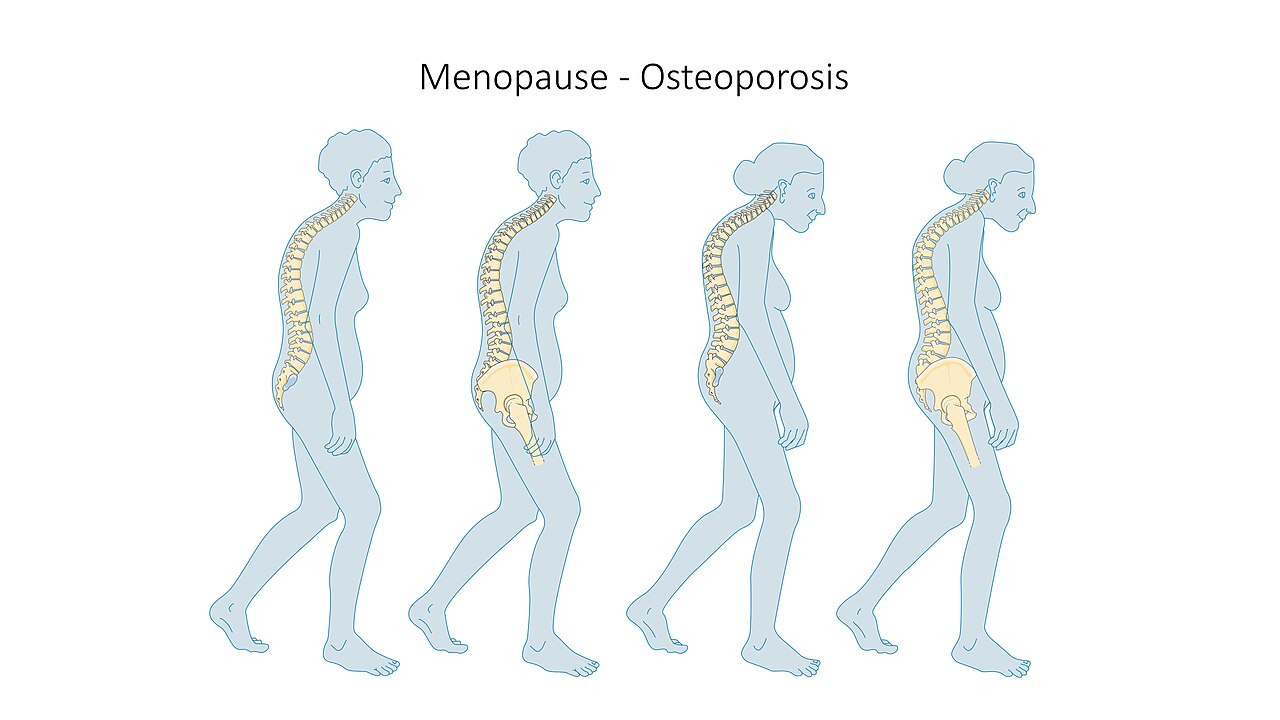
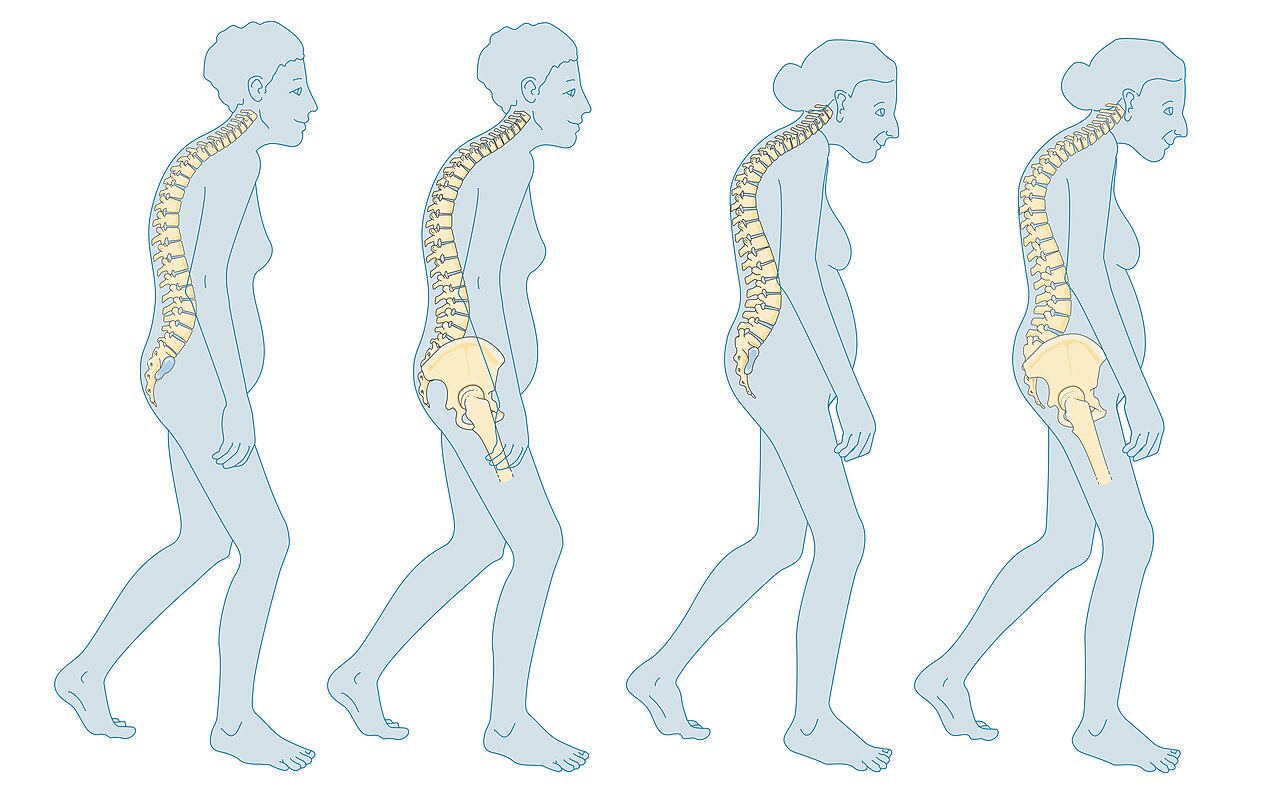
The moment osteoporosis announces itself is almost always a fracture — and not just any fracture. These are called fragility fractures because they happen under forces that would not break a healthy bone: a simple fall from standing height, a hard cough, bending to pick something up, or even the routine act of lifting. The vertebrae, ribs, hip, wrist, forearm, and shoulder are the most vulnerable sites. A vertebral compression fracture brings sudden back pain, sometimes with shooting nerve-root pain, and in rare cases can compress the spinal cord. When multiple vertebrae collapse over time, the result is a stooped posture, measurable height loss, and persistent pain that erodes mobility. Hip fractures are particularly dangerous; they typically demand urgent surgery and carry serious risks including deep vein thrombosis and pulmonary embolism. One-year mortality after an osteoporosis-related hip fracture averages 23.3% in Europe, 21% in the United States, 17.9% in Asia, and 24.9% in Australia. Once a fracture has occurred, clinicians use the term "established osteoporosis," and the condition becomes part of what is recognized as frailty syndrome.
Who Is Most Vulnerable
Osteoporosis does not affect everyone equally. Age is the single strongest driver: roughly 15% of Caucasian individuals in their fifties are affected, climbing to about 70% among those past eighty. Women bear a disproportionate burden, with prevalence in the developed world ranging from 9% to 38% depending on diagnostic criteria, compared with 2% to 8% for men. The hormonal shift at menopause accelerates bone loss in women through declining estrogen, while older men experience a similar but slower decline tied to falling testosterone. Beyond hormones, a range of medical conditions and treatments can erode bone — alcoholism, anorexia, hyperthyroidism, kidney disease, and the surgical removal of ovaries all figure prominently. Certain drugs, notably chemotherapy agents and glucocorticosteroids, speed up the rate of bone loss. Lifestyle choices matter too: smoking and physical inactivity are well-recognized risk factors. White and Asian populations face additional vulnerability because of lower circulating vitamin D levels and reduced cutaneous vitamin D synthesis at certain latitudes.
Prevention, Treatment, and Managing the Risk
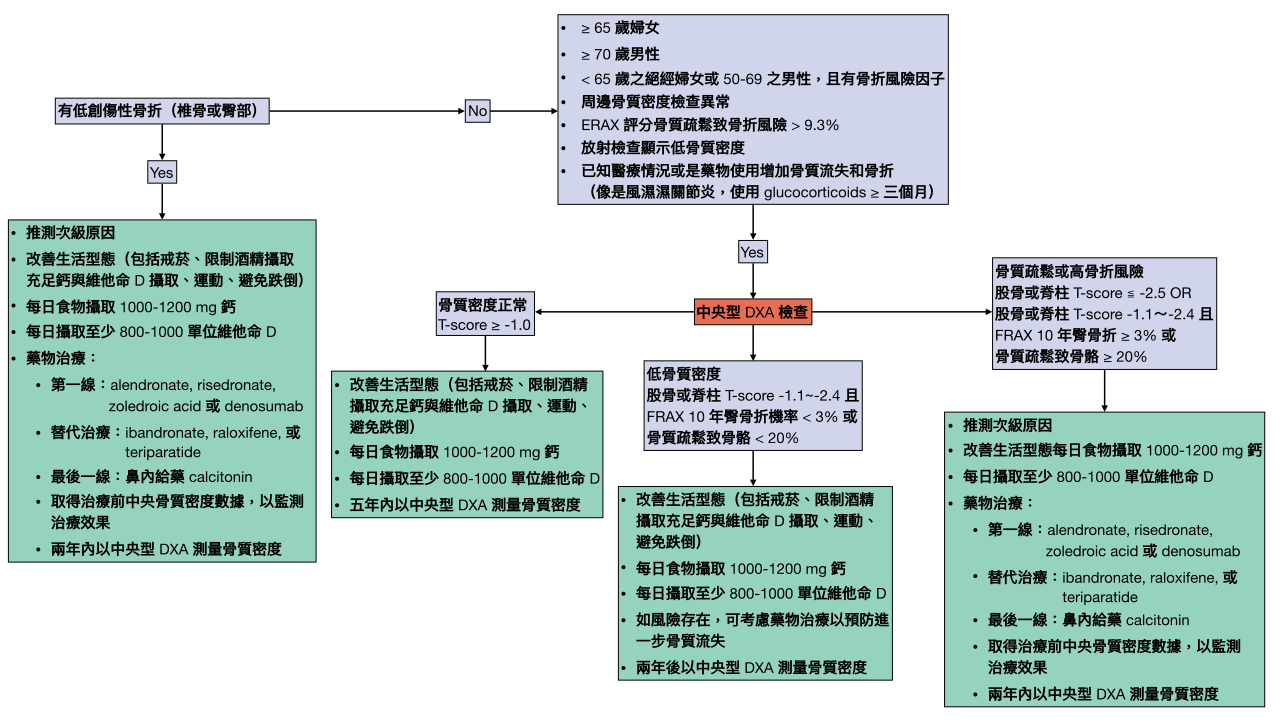
Because osteoporosis is silent until it breaks a bone, prevention is the most powerful strategy. Building strong bones during childhood through adequate nutrition, using hormone replacement therapy for menopausal women, and avoiding medications that accelerate bone loss form the foundational pillars. For those already diagnosed, a combination of good diet, regular exercise, smoking cessation, alcohol moderation, and targeted fall prevention — such as removing loose carpets and obstacles from the home — can reduce the chance of a fracture. Bisphosphonate medications have proven useful for lowering the risk of future fractures in people who have already broken a bone due to osteoporosis, though they appear less effective in those without a prior fracture history and do not seem to change overall mortality. Fracture risk calculators like FRAX, the Garvan FRC tool, QFracture, and the open-access FREM system help clinicians weigh factors such as bone mineral density, age, smoking, alcohol use, weight, and gender to estimate individual risk. Despite these tools, osteoporosis continues to exact a heavy toll on quality of life, disability, and health-care costs worldwide.
Gallery
Frequently Asked Questions
Who is Osteoporosis?
Osteoporosis is a systemic skeletal disorder that weakens the entire bone framework by reducing bone mass and degrading the internal micro-architecture. It is the single most common cause of fragility fractures in older adults and typically stays silent until a break finally happens.
What are Osteoporosis's powers or role in the body?
Its 'power set' centers on turning dense, solid bone into a porous, brittle structure that shatters under forces a healthy skeleton would easily absorb. In orthopedic and endocrinology circles it is classified as a systemic condition rather than a localized injury, meaning it affects the whole skeleton at once.
Who does Osteoporosis target most often?
It shows a strong gender bias, striking women far more frequently than men. Among Caucasians roughly 15 % of people in their fifties are affected, and that figure climbs to about 70 % by age 80.
How do you confirm Osteoporosis on a scan?
The diagnostic benchmark is a bone-mineral-density reading at least 2.5 standard deviations below that of a healthy young adult, measured with a dual-energy X-ray absorptiometry (DXA) scan. Below that threshold the condition is classified as osteopenia rather than full osteoporosis.
Why is Osteoporosis such a big deal in the orthopedic canon?
Because it is the leading reason elderly patients walk into an orthopedic clinic with a broken bone, yet it rarely announces itself with pain or visible symptoms beforehand. That silent progression makes it one of the most consequential—and most under-diagnosed—entries in the entire musculoskeletal system.
More in Musculoskeletal System And Orthopedics 1-17
Spotted an error? Know more?
This is a living reference — every entry is fact-audited, and reader corrections feed straight into our audit queue. Suggest an edit · See this site's audit record